Gardening Services in Yeading for tidy, workable outdoor spaces

Gardening Services Yeading covers practical outdoor care for homes and managed properties that need regular attention, seasonal tidy-ups or a fuller reset. Our work can include lawn care, hedge cutting, border maintenance, planting support and garden clearance, with each task shaped around the condition of the space and the result the customer wants to achieve. The aim is straightforward: keep the garden orderly, usable and easier to manage through the year.
If you are comparing options, it helps to think about the site as a whole rather than one isolated job. A lawn that has thinned out, a hedge that is spreading beyond its line, or beds that are overrun with weeds often need a joined-up approach. We plan the work around the garden’s condition, then tackle the most important areas first so that the finished result feels coherent instead of piecemeal. Our services overview gives a simple starting point if you want to see how the different types of work fit together.
We keep the service practical and adaptable. Some customers want a one-off visit to restore order after a period of neglect, while others prefer recurring care that keeps growth under control and reduces larger problems later on. Either way, the work is designed to be clear, measured and appropriate to the site rather than overly heavy-handed. You can request a quotation once you have a sense of what needs doing.
Regular garden maintenance that keeps growth in check
Routine maintenance is often the most effective way to keep a garden presentable without waiting for problems to build up. This can include mowing, edging, weeding, light pruning, tidying borders and removing spent growth so that the space stays neat between more intensive visits. Consistent care also makes it easier to spot issues early, such as patchy grass, congested shrubs or beds that need refreshing.
Garden maintenance is useful when the garden is already established and simply needs steady attention. We can work with front gardens, rear gardens and communal outdoor areas where appearance and accessibility matter. The service can be adjusted to the season, the size of the plot and the pace of growth, so the work remains sensible rather than repetitive. Small details matter here: crisp edges, even cuts and clear borders often make the whole site look better maintained.
When planning this kind of work, it helps to note which areas cause the most trouble. A quick list can be useful:
- Grass that grows unevenly or has become difficult to mow cleanly
- Hedges and shrubs that need a lighter, shaping cut
- Beds with weeds, fallen leaves or debris that make the garden look tired
- Paths or access routes that are being narrowed by overgrowth
Lawn care and hedge trimming for a sharper finish

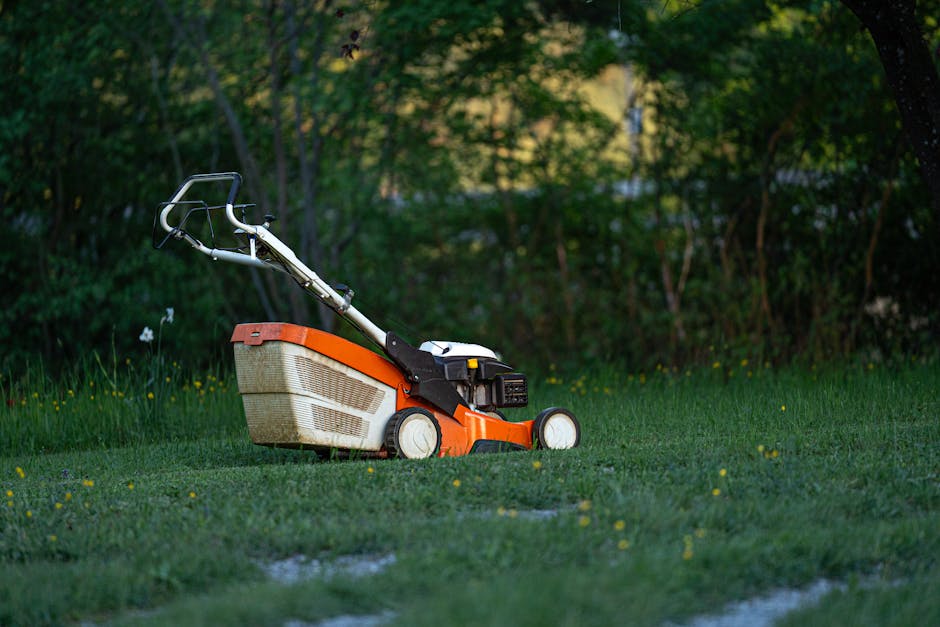
A lawn usually benefits from more than a quick pass with a mower, especially when the grass has become long, uneven or patchy. Good lawn care may involve cutting to a suitable height, trimming edges, clearing clippings and dealing with areas that need a little more attention around obstacles or borders. The result should look even and manageable rather than rushed. Lawn mowing is one of the simplest ways to improve the look of a garden quickly, but it works best when the surrounding details are also kept tidy.
Hedges can define the shape of a garden, but only if they are cut in a way that respects the plant and the available space. Overgrown hedges may need careful reduction, while established shapes often need regular trimming to stop them from becoming too wide or top-heavy. Hedge trimming is especially useful where boundaries, privacy or light are affected by growth. We focus on proportion, clean lines and a finish that suits the type of hedge rather than forcing every plant into the same shape.
For many gardens, these two tasks work best together because they frame the whole space. A neat lawn with untidy edges still looks unfinished, and a clipped hedge beside rough ground can make the garden feel unbalanced. Taking both into account gives a stronger overall result and makes later upkeep simpler. If you are unsure whether your garden needs trimming, cutting or both, it is usually enough to describe the areas that look out of control and the areas that simply need refining.
Clearance and larger tidy-ups when the garden needs a reset
Some outdoor spaces need more than routine maintenance. When plants have spread too far, old materials are left behind or a garden has been neglected for a while, clearance work can restore usable ground and make the area easier to maintain again. This may involve removing cut growth, dead plants, unwanted garden waste and other accumulations that have built up over time. The work is usually most effective when it is done methodically, with attention to what should be removed and what should be preserved.
Garden clearance is useful before a new maintenance routine begins, or when a space needs to be prepared for fresh planting or a different layout. It can also help when access has been restricted by overgrowth or when the overall appearance of the garden has become cluttered. Where suitable, we can combine clearance with lighter tidying so that the site does not look stripped back in one area and unfinished in another. That balanced approach often makes the next stage of work much easier.
Useful preparation is simple. If there are items you want kept, moved or handled separately, make that clear at the start. It is also helpful to identify access points, any fragile surfaces and anything that should not be disturbed. These notes do not need to be long; a straightforward description is enough. Clear instructions save time and help the work proceed in the right order, especially where there is a mixture of living growth and accumulated waste.
Landscaping improvements that shape how the garden feels
Landscaping can change the way a garden works as well as how it looks. Depending on the site, this may involve refreshing planting areas, improving the shape of borders, reworking tired sections or bringing structure to an awkward layout. It is not only about appearance; a well-planned layout can make the space easier to maintain and more pleasant to use. Landscape gardening is a good fit when the garden needs considered changes rather than simple tidy-up work.
For more substantial changes, it is useful to think in layers: what needs removing, what should stay, and what could be improved without starting again from scratch. That may include soil preparation, re-edging, repositioning features or choosing planting that matches the style of the site. We can approach this work conservatively where the customer wants to preserve existing character, or more openly where the garden needs a stronger visual reset. The right choice depends on the condition of the space and the intended outcome.
There is often more than one sensible way to improve a garden, so it is worth prioritising what matters most: easier upkeep, better structure, clearer boundaries or a more finished look. A careful plan avoids unnecessary disruption and helps every part of the garden support the others. If your space has become a mix of overgrowth and underused corners, this kind of work can help it feel ordered again without making it look overly formal.
Building and surfacing work for outdoor areas

Some gardens benefit from structural features that define movement and create more usable space. Decking can provide a raised sitting area, a transition between levels or a cleaner surface beside planting and lawn areas. When designed and fitted well, it should feel like part of the garden rather than an add-on. Decking services can suit properties where outdoor space needs a more practical finish or where different parts of the garden would benefit from a clear division.
The value of this kind of work is in how it supports the rest of the space. A deck can give people a level area for seating, pots or outdoor furniture, while also reducing the sense that the garden is made up of disconnected sections. Choices about size, position and finish should take account of how the area will be used and how much visual prominence you want it to have. A simple design is often the most adaptable, especially where planting and lawn areas already do part of the visual work.
Good planning matters here because surface and layout decisions affect long-term upkeep. Edges need to be sensible, access should remain straightforward and the result should sit comfortably with the rest of the garden. If you are considering a change of this kind, it is worth looking at the whole outdoor area rather than only the square metres under construction. That approach tends to produce a better balance between practical use and appearance.
Pricing, scope and what affects the quotation
Different gardens call for different amounts of time, labour and disposal effort, so quotations usually depend on the work involved rather than on a fixed assumption. A tidy front garden may need only light maintenance, while an overgrown rear garden or a wider landscaping task can require more than one stage. The condition of the site, the size of the area and the nature of the tasks all help shape the final scope.
Pricing and quotes can be discussed once you have a clearer idea of what you want done. It is useful to separate routine maintenance, clearance and improvement work, because each type of job carries different demands. A quotation should reflect the actual task in front of us, not a generic template. Where multiple areas need attention, grouping them into one visit can sometimes be more efficient than booking each item separately, but the right choice depends on access and complexity.
If you are preparing to ask for a price, a short description of the space is usually enough. Mention the main jobs, any areas that are difficult to reach and whether the work is a one-off or part of a regular pattern. You do not need to over-explain; a clear summary helps us understand the request and respond with something appropriate. If you already know the key priorities, state them first so that the enquiry stays focused.
About Yeading
Yeading is a district in the London Borough of Hillingdon, in west London, and its character reflects both historic settlement and later suburban growth. The area takes its name from the Yeading Brook, a tributary that threads through the locality before joining the River Crane system. The brook, open spaces and adjoining roads create a landscape where older routes and newer residential development sit side by side. Parts of the area retain a more spacious feel than the dense inner-London neighbourhoods to the east, while still being closely connected to the wider capital by road and public transport corridors. Yeading’s location near the Grand Union Canal also places it within a broader network of waterways that have long influenced settlement and movement across west London.
Garden upkeep for changing seasons and changing growth

Seasonal care is often about timing as much as technique. In spring, gardens may need preparation for faster growth, with borders cleared and early weeds removed before they spread. During summer, mowing, trimming and watering routines become more important, especially where plants are exposed to stronger sun and quicker drying. In autumn, leaf fall and soft growth can make paths and beds look neglected if they are not kept in check. Each season shifts the balance of the work, but the goal remains the same: a garden that feels under control.
We can shape the work around those changes, whether the need is for a lighter refresh or a more detailed visit. A border that looked fine a few weeks ago may now need a new edge and some redefinition, while hedges and climbers can quickly move beyond the line you expected. Seasonal service is useful because it keeps the garden responsive rather than reactive. Landscaping can also be phased in alongside maintenance when you want the space improved gradually rather than all at once.
Tell us what has changed since the last time the garden was looked after, even if it seems minor. Growth rates, fallen material, worn patches and access issues all influence the shape of the work. Two or three clear notes are usually enough to decide whether the job needs a quick tidy, a more involved visit or a combination of tasks. The more accurately the request matches the actual site, the easier it is to propose a sensible approach.
Helpful ways to plan the work
A practical enquiry often saves time later, especially where the garden includes several distinct jobs. It helps to state whether the work is mainly maintenance, mainly clearance or mainly improvement, because that shows what kind of outcome you expect. If there are boundaries, feature beds, slopes or awkward access points, mention them early so that the scope is easier to understand. Photos can be useful, but a written description still matters because it explains what should happen rather than only what can be seen.
When the site has more than one area, it can be helpful to rank them. For example, you might want the lawn improved first, then the hedges cut back, then the beds tidied. This is especially useful where time is limited or where you want the main visible areas sorted before moving on to less prominent parts. Tree lopping and removal may be relevant where larger growth is shading the garden or interfering with the rest of the layout, although it is only appropriate when that is genuinely part of the job.
Once you know the rough shape of the work, it becomes easier to ask for a quotation that reflects the real task. You can also use a clear note to explain whether you want a one-off visit, an occasional return or broader help with the garden over time. Contact us when you are ready to discuss the garden and arrange the next step.
Service support, disposal and responsible handling

Some jobs create a substantial amount of green waste, cuttings or mixed outdoor debris, so disposal planning matters as much as the visible tidy-up. Responsible handling keeps the site orderly and avoids leaving a finished garden surrounded by piles of material. In practical terms, this means deciding what is being removed, what should be left in place and whether any materials need separating before they are taken away. Recycling and sustainability is a useful reference point when you want the garden cleared with an eye on sensible waste handling.
That same attention to detail is valuable in maintenance and landscaping work because it affects how finished the result feels. A border that has been cut back but not cleared still looks incomplete, and a newly shaped area can look awkward if leftover material is not dealt with properly. Good outdoor work therefore combines the visible task with the practical aftercare, keeping the site presentable once the main work is done. If you want to understand how this fits into broader site care, insurance and safety outlines the sort of operational considerations that can matter on more involved jobs.
For many customers, the best outcome is a garden that is easier to live with as well as easier to maintain. That may mean tidier edges, better flow between areas, less clutter around paths or a more balanced relationship between plants and hard surfaces. If that is the direction you want to move in, the next step is simple: ask for a quotation, explain the main priorities and let the work be matched to the space. Start with the area that bothers you most, then build the rest around it.