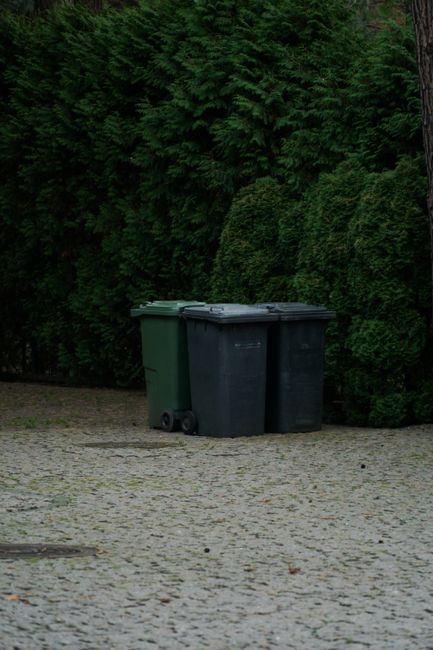
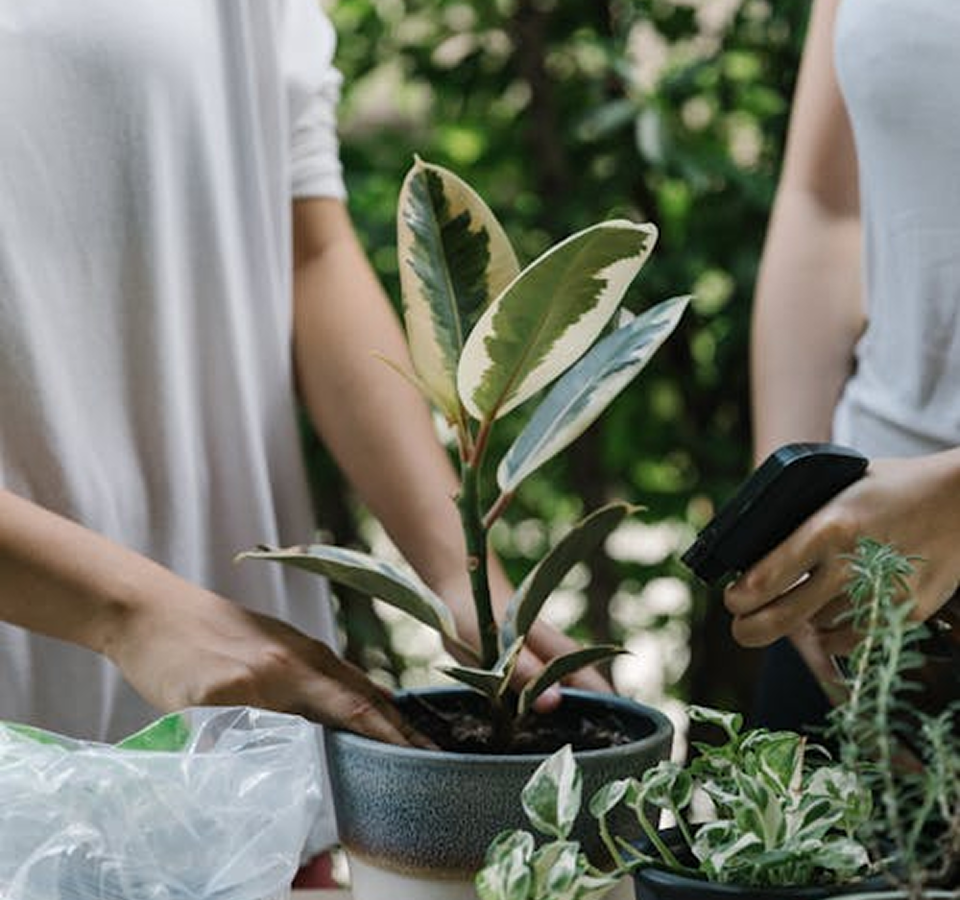
Hillingdon Council rules for garden waste collection in Yeading
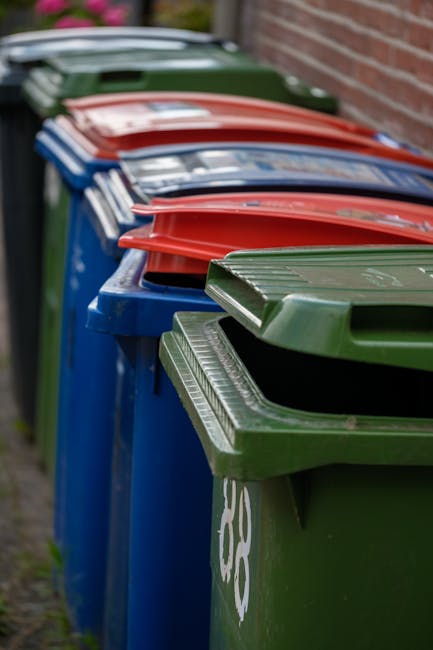
If you live in Yeading and you've ever stared at a pile of cuttings after a weekend in the garden, you'll know the feeling: where exactly does all this green waste go? The Hillingdon Council rules for garden waste collection in Yeading can feel simple on the surface, but the details matter. Miss them and you can end up with bins that aren't emptied, messy kerbside piles, or waste that needs to be sorted all over again.
This guide breaks the rules down in plain English. You'll learn what garden waste usually includes, what councils typically expect from residents, how to prepare waste properly, where garden clearance fits in, and when a professional service may be the easier option. We'll keep it practical, local, and straight to the point. No fluff, no jargon, and no pretending every garden is the same. Because, let's face it, a tidy suburban front garden and a large back garden with hedges, branches, and soil are two very different beasts.
Expert summary: If your garden waste is clean, well separated, and presented in the way the council expects, collection is usually straightforward. If it's mixed with rubble, soil, general household rubbish, or oversized woody material, you may need another disposal route. That's the bit people miss most often.
- Why the rules matter
- How garden waste collection works
- Key benefits and practical advantages
- Who this is for and when it makes sense
- Step-by-step guidance
- Expert tips for better results
- Common mistakes to avoid
- Tools, resources and recommendations
- Law, compliance and best practice
- Options and comparison table
- Real-world example
- Practical checklist
- Conclusion
- Frequently asked questions
Why Hillingdon Council rules for garden waste collection in Yeading Matters
Garden waste collection sounds like a small household task, but in practice it affects cleanliness, bin capacity, pest risk, and even how pleasant your street feels on collection day. In Yeading, where many homes have compact front gardens, shared boundaries, or mixed-use outdoor spaces, following the right disposal routine helps avoid clutter and awkward bin day surprises.
The main reason the rules matter is simple: councils separate garden waste from general waste for a reason. Grass cuttings, hedge trimmings, leaves, and small prunings can often be recycled or composted more efficiently when they arrive in the right condition. But once the load contains plastic pots, stones, food waste, or soil-heavy clumps, it becomes harder to process and may be rejected.
There's also a neighbourly side to it. A bag left open on the pavement in wet weather can tear. Branches sticking out can become a nuisance. And if you've ever heard the scrape of a bin lid at 7am on a damp Tuesday, you'll know how quickly one sloppy pile can spread down a whole row of houses.
For homeowners, tenants, landlords, and gardeners alike, knowing the council expectations saves time and avoids rework. It also helps you decide when a routine collection is enough and when you need garden clearance support for a bigger job.
How Hillingdon Council rules for garden waste collection in Yeading Works
Although exact collection arrangements can change, the basic principle is usually consistent across local authorities: garden waste must be presented cleanly, safely, and in the format the council accepts. That may mean a dedicated garden waste bin, approved sacks, or another controlled collection method, depending on the current service design.
In real terms, the process normally looks like this:
- You separate garden waste from household rubbish and recyclables.
- You remove non-organic material such as plastic plant labels, ties, stones, and broken pots.
- You place only accepted green waste into the correct container or presentation method.
- You put it out on the right day, by the right time, and in the right position for collection.
- The council collects it only if it meets the service rules.
That sounds easy enough, but the trouble usually starts with mixed loads. A hedge trim after a long Saturday can produce a bit of everything: soft clippings, thicker branches, some dusty soil at the bottom, and maybe an old tray from the greenhouse if you were rushing. One or two mistakes can affect the whole pile.
If you handle your garden regularly, you may find a maintenance rhythm works better than waiting for waste to build up. A service such as garden maintenance can keep material manageable, especially in spring and early summer when growth seems to explode overnight.
Good rule of thumb: if it grew in the garden and is clean and organic, it is often suitable; if it is hard, man-made, or contaminated with soil and rubble, treat it differently.
Key Benefits and Practical Advantages
Following the right collection rules is not just about keeping the council happy. It makes garden care easier in a very ordinary, useful way.
- Less waste confusion: You know what to separate, so sorting takes minutes instead of becoming a half-hour rummage.
- Cleaner kerbside presentation: Neat waste is less likely to spill, smell, or attract attention.
- Better collection reliability: Waste that meets the rules is less likely to be left behind.
- More efficient garden routines: Regular disposal keeps pruning and mowing under control.
- Improved sustainability: Green waste is easier to recycle when it arrives uncontaminated.
There is also a very practical money-saving angle. If you don't sort waste properly, you may end up making repeated trips to a disposal point or paying for extra removal later. A tiny bit of planning up front saves a surprising amount of hassle.
For larger gardens, or after a seasonal clear-out, it can be sensible to compare council collection with a one-off professional job. If the task is bigger than a few bags of clippings, a garden clearance service may be more efficient than trying to piece everything together yourself.
Who This Is For and When It Makes Sense
This topic matters to quite a few people in Yeading. It is not only for enthusiastic gardeners with immaculate borders and a compost bin in the corner. In practice, it affects:
- homeowners managing regular lawn and hedge care
- tenants keeping a small patio, front garden, or communal strip tidy
- landlords preparing outdoor space between lets
- older residents who prefer a light-touch maintenance routine
- busy families who do the garden in bursts rather than little and often
- people dealing with a one-off seasonal clear-up after storms or holiday growth
It also makes sense if you are deciding whether to do the work yourself or get help. A weekend lawn cut is one thing. Cutting back mature shrubs, lifting branches, and bagging everything neatly is another. Truth be told, the second version often looks easier on paper than in the cold light of a Sunday afternoon.
If your outdoor space includes mature trees, overhanging limbs, or bulky prunings, the waste problem becomes more complicated. In that case, a specialist option such as tree lopping and removal may be more appropriate, because woody arisings are often bulkier and harder to manage than standard green waste.
Step-by-Step Guidance
Here's a sensible way to handle garden waste in Yeading without creating extra work for yourself later.
1. Identify what type of waste you have
Start by separating soft green waste from woody material, soil, and non-garden rubbish. Grass, leaves, small prunings, and light hedge trimmings are usually the easiest to deal with. Pots, wire, string, stones, and broken tools are not garden waste and should never go in the same container.
2. Remove contamination
Before you bag anything, check the pile properly. This is the bit people skim over, and then regret it later. A few bits of plastic or a chunk of broken brick can be enough to cause a problem. If you have been landscaping recently, keep construction materials well separate from green waste. That distinction matters more than most people think.
3. Reduce the volume where you can
Cut branches down to manageable sizes, flatten lightweight clippings, and shake excess soil off roots. The cleaner the waste, the easier it is to handle. If the load is too large, you may need more than ordinary collection. A broader project often fits better with landscaping or landscape gardening support, especially where the waste is part of a bigger redesign.
4. Use the correct container or presentation method
Follow the current council instructions for bins, sacks, or bundles. Do not overfill, do not make the load unsafe to lift, and do not hide mixed waste under a layer of leaves. It may seem harmless. It isn't.
5. Put it out on the correct day
Timing matters. Put the waste out too early and it can be blown around by wind or tampered with. Put it out too late and you risk missing collection. A neat, visible setup is always better than a rushed pile at the last minute.
6. Keep a record of repeat issues
If your waste is regularly left behind, note what was in the container and how it was presented. That helps you spot patterns, whether the issue is contamination, size, weight, or simple misunderstanding.
Expert Tips for Better Results
After handling plenty of garden jobs, a few patterns stand out. The first is that small habits make a big difference. The second is that people often wait too long to sort waste, and then everything becomes awkward.
- Do a quick sort while you cut: Put grass, hedge cuttings, and woody pieces into separate piles as you go.
- Use breathable bags where practical: Wet clippings can become heavy fast, especially after rain.
- Don't leave green waste sitting too long: It can go slimy and awkward to handle. Not lovely.
- Keep a spare container ready: One extra bag or tub prevents last-minute stacking.
- Plan around mowing and trimming together: Coordinating tasks reduces the number of disposal trips.
A good example is the classic Saturday lawn cut. If you mow first and rake later, the clippings can spread. If you rake as you go, the whole job is calmer. Less mess, less smell, less cursing under your breath. Small thing, big difference.
If you want the garden to stay manageable all year, regular lawn mowing and hedge trimming help keep waste volumes predictable. That is a lot easier than trying to tame a jungle in one go every few months.
Common Mistakes to Avoid
Most garden waste problems come from a short list of avoidable mistakes. The frustrating part is that they are all very human. We rush, we guess, we assume the bin crew will sort it out. Usually they won't.
- Mixing waste types: Garden waste should not be combined with general rubbish, rubble, or recyclables.
- Including soil and turf-heavy loads: These can be too heavy or unsuitable for standard collection.
- Using the wrong container: Even clean waste may be rejected if it is put out incorrectly.
- Overfilling bags: Heavy or bursting bags are unsafe and hard to collect.
- Leaving branches too long: Oversized pieces can snag, fall, or get refused.
- Assuming all organic material is acceptable: Not all organic waste is treated the same way, especially when mixed with contaminants.
One common slip is forgetting about woody material after pruning. A pile of thick stems looks tidy from a distance, but once lifted it can be far heavier and more awkward than expected. If you are dealing with a hedge that has become a bit of a monster, professional hedge trimming can reduce the volume before it becomes a collection headache.
Tools, Resources and Recommendations
You do not need fancy kit to follow garden waste rules well. A few simple tools make the whole thing easier.
- Garden bags or sturdy sacks: Better than overstuffing thin bags that split at the first tug.
- Bypass secateurs: Useful for clean cuts on smaller stems.
- Pruning saw: Helpful for thicker branches that need controlling before disposal.
- Rake and scoop: Keeps leaves and cuttings together instead of scattered everywhere.
- Wheelbarrow or garden cart: Ideal if the waste has to travel from the back garden to the front.
- Gloves: Obvious, but easy to forget when you are in a hurry.
For broader support, it can also help to think in terms of your overall garden routine rather than just waste removal. A planned upkeep schedule means less surprise waste, fewer heavy clear-outs, and a tidier outdoor space. If you are considering regular help, the services overview is a sensible place to understand the kinds of support available.
If you care about reducing waste rather than just moving it, look into composting suitable material and keeping reusable items out of the disposal pile. The council side handles the collection; your side is the sorting. That's the simple split, really.
Law, Compliance, Standards, or Best Practice
Garden waste collection is not just a convenience issue. It sits within wider waste management expectations in the UK, where residents are generally expected to separate waste responsibly and present it in the correct format for collection. Exact local rules may differ, and council services can change, so it is always wise to confirm the current requirements before putting anything out.
From a practical best-practice point of view, the safest approach is to keep garden waste:
- clean and free from non-organic contamination
- separate from household rubbish
- easy to lift and move safely
- within any container or weight limits set by the service
- away from hazards such as sharp metal, broken glass, or hidden rubble
If you are using a contractor for garden work, it is also sensible to make sure they follow sound waste handling and safety practices. At a minimum, that means responsible disposal, sensible segregation of materials, and clear communication about what is included. If you want reassurance on the practical side of how a provider works, pages such as insurance and safety, health and safety policy, and recycling and sustainability are useful signals of how a service thinks about the job.
One thing to keep in mind: if the waste is mixed with protected trees, major tree work, or large removal tasks, there may be separate considerations beyond routine garden waste handling. That's where careful planning matters more than speed.
Options, Methods, or Comparison Table
If you are deciding how to deal with garden waste in Yeading, there are usually three realistic routes: council collection, a one-off private clearance, or doing it yourself over time. Each has its place.
| Option | Best for | Advantages | Limitations |
|---|---|---|---|
| Council garden waste collection | Regular, clean green waste in manageable quantities | Convenient, predictable, usually cost-effective | Strict presentation rules, limited scope for mixed waste |
| Private garden clearance | Large clear-outs, bulky cuttings, mixed garden debris | Fast, flexible, handles bigger jobs | Can cost more than routine collection |
| DIY disposal over time | Small gardens or light ongoing maintenance | Cheap, flexible, no need to book extra help | Takes time, can build up if you delay |
For many households, the best answer is a mix: use council collection for the everyday stuff and bring in extra help when the job grows beyond normal limits. No need to make life harder than it has to be.
Case Study or Real-World Example
Here's a typical Yeading scenario. A homeowner spends a bright Saturday morning cutting back a hedge, mowing the lawn, and clearing a narrow border that has been ignored since spring. At first, the waste looks manageable. Then the piles grow: hedge trimmings on one side, grass cuttings on another, and a heavier bundle of woody branches by the fence.
By the end of the job, the garden looks much better, but the waste is no longer a simple bin-day task. The grass is light but bulky. The hedge trimmings are mixed with a few bits of wire from old plant supports. The branches are too thick for a standard sack. If the homeowner tries to put it all out together, it is likely to cause problems.
What works better is a staged approach:
- separate the soft green waste immediately
- remove non-garden debris while it is still easy to spot
- cut thicker branches down to a safer size
- store the waste neatly until the correct collection day
- book extra support if the pile clearly exceeds normal collection expectations
That kind of setup is common, especially after a first heavy cut of the season. The garden is suddenly back under control, the air smells fresh again, and then the practical bit kicks in: what now with all this waste? Planning ahead avoids the second wave of stress.
Practical Checklist
Use this quick checklist before putting garden waste out for collection.
- Is the waste clean and free from plastic, soil-heavy rubble, and household rubbish?
- Have you separated soft green waste from thicker woody material?
- Are any bags or containers within a safe weight and size?
- Have you checked the current council presentation requirements?
- Is the waste ready for the correct day and time?
- Are sharp or hazardous items removed?
- Have you kept bulky or mixed materials apart?
- Would a bigger job be better handled through garden clearance instead?
- Is the front path clear so the waste can be collected safely?
- Do you have a plan for any leftover material after the collection?
If you can tick most of those boxes, you are in good shape. If not, pause for five minutes and sort it properly. It is almost always worth it.
Conclusion
Hillingdon Council rules for garden waste collection in Yeading are really about one thing: making green waste easy to collect and process without creating extra mess, risk, or delay. Once you understand the basics, the whole thing becomes much less stressful. Clean waste, correct presentation, proper timing, and a clear separation between green material and everything else will take you a long way.
For routine gardening, a little organisation is enough. For bigger clear-outs, hedge work, or seasonal overgrowth, it may be smarter to combine council collection with a more flexible support option. Either way, the key is to stay one step ahead of the pile before it turns into a weekend you'd rather forget.
Get a free quote today and see how much you can save.
If you want a clearer picture of the team behind the work, you can also learn more on the about us page or get in touch through the contact us page when you are ready.
Frequently Asked Questions
What counts as garden waste in Yeading?
Garden waste usually includes grass cuttings, hedge trimmings, leaves, small branches, weeds, and other natural material from outdoor maintenance. It does not include rubble, plastic, glass, pots, or mixed household waste.
Can I put soil in my garden waste collection?
Soil is often treated differently from light green waste because it is heavy and can be unsuitable for standard collection. If you have a large amount of soil or turf, check the current council guidance before putting it out.
Are tree branches accepted in ordinary garden waste collections?
Small branches may be accepted if they are clean and manageable, but thicker woody material can be a different matter. If the branches are substantial, a specialist removal service may be a better fit.
What happens if I mix general rubbish with garden waste?
Mixed waste is more likely to be rejected. Councils usually want garden waste kept clean because contamination affects recycling or composting. It is better to separate everything before collection day.
Do I need a special bin for garden waste?
Some council services use a dedicated bin, while others have a different presentation method. The important thing is to use whatever container or format the current service requires.
How should I prepare hedge trimmings for collection?
Keep hedge trimmings free of plastic ties, tape, and other debris. If the cuttings are long or bulky, reduce their size so they are easier and safer to handle.
Why was my garden waste left behind?
Common reasons include contamination, overfilled containers, unsuitable material, or incorrect presentation. If it keeps happening, review what is going into the pile and how it is placed out.
Is regular garden maintenance worth it for waste control?
Yes, usually. Smaller, regular jobs create more manageable waste than one huge clear-out. A steady routine also keeps lawns, hedges, and borders looking better with less drama.
Should I use council collection or a private clearance service?
If you have clean, manageable green waste, council collection may be enough. If the job is large, mixed, or time-sensitive, a private clearance service is often easier and faster.
What if my garden waste includes materials from landscaping work?
Materials from landscaping can include soil, turf, roots, stone, timber, and other debris. These should be sorted carefully because not all of them belong in a standard garden waste collection.
Can I get help with a large overgrown garden in Yeading?
Yes. For bigger jobs, it may be more practical to arrange a broader service that includes cutting back, clearing, and disposal. That can save you from several separate trips and a lot of heavy lifting.
How often should I clear garden waste?
As often as needed to stop it building up. For many gardens, that means after mowing, after hedge trimming, or after any seasonal cut-back. Little and often is usually the easiest path.